 |
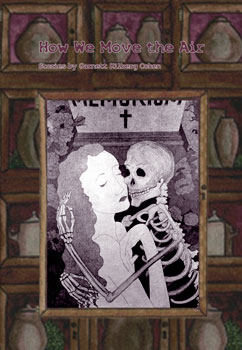
Garnett Kilberg Cohen (Illinois) Short fiction. Paper, perfect bound, 110 pp How We Move the Air tells the story of musician Jake Doyle’s suicide and how, over time, it affected those who knew him. In seven linked stories, Garnett Kilberg Cohen explores the complex ways in which people choose to remember—or not remember—the past. Now Available on Kindle! Download today via Amazon.com |
|||||||||||||||||||||||
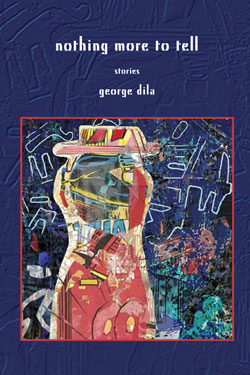 |
George Dila (Ludington, MI) Trade Paperback, 110 pp Nothing More to Tell brings together short stories that reflect the combined effects of history, family, and society on the men and women of Michigan's small towns and big cities. Dila's prose presents us with a view of middle-aged, middle-class men that is at once ruthlessly honest and understanding. Their lives are tightly woven chains of successes and failures, which culminate in episodes that are sometimes comic, often catastrophic. The pieces in this collection will sometimes cause laughter, sometimes outrage; but they are unflinching in their demand for compassion. Now Available on Kindle! Download today via Amazon.com |
|||||||||||||||||||||||
 |
Andrei Guruianu (Illinois) Prose. Paper, perfect bound, 124 pp. This extraordinary memoir captures cultural dislocation and hope. Guruianu eloquently conveys the impact of immigration on his family, contrasting the hardships of Ceausescu's Romania with the challenges of adaptation to the United States. Now Available on Kindle! Download today via Amazon.com |
|||||||||||||||||||||||
 |
Rabbi Manes Kogan (New York) Jewish Fables. Paper, illustrated, perfect bound, 104 pp. Fables from the Jewish Tradition, compiled by Rabbi Manes Kogan, is a graceful English presentation of Jewish fables and their cultural and religious context. Luminous color illustrations by Marcelo Ferder, Kogan’s extensive notes, and his enlightening short essay about fables and the Jewish textual tradition are highlights of the collection. |
|||||||||||||||||||||||
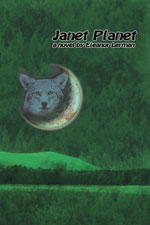 |
Eleanor Lerman Fiction. Paper, perfect bound, 208 pp Janet Planet is a unique work that attempts to showcase the young and rebellious spirit of a Woodstock generation that eventually grew up-and away-from those glorious hippie days. In the novel, Janet Harris-known as Janet Planet-is the reader's guide into and out of the psychedelic years as she joins Jorge Castelan (a fictionalized Castaneda) and his circle of women and then falls into the new age movement of alternative spirituality. Set in the hippie haven of Woodstock, Janet embarks on her own spiritual journey into the mystery that lies beyond life. Now Available on Kindle! Download today via Amazon.com |
|||||||||||||||||||||||
 |
Eleanor Lerman (Long Beach, NY) Short Fiction. Paper, perfect bound, 164 pp. From Greenwich Village in the ‘60s to Woodstock, NY, to an airport in the Midwest, Eleanor Lerman's stunning short stories explore the disenchantment of this world, with love and hope and humor. Now Available on Kindle! Download today via Amazon.com |
|||||||||||||||||||||||